Intercultural Design | Project 1 / Exploration
09/02/2024 - 25/02/2024 | Week 1 - Week 3
Nadia Chong Wen / 0355736 / Bachelor's of Design (Honours) in Creative Media.
Project 1 - Exploration
LECTURE NOTES (WEEK 1 - WEEK 3)
Lecture 1 - Culture & Design
Culture & design are inseparable. As a future designer, I need to understand and express both for the development of my creative skills.
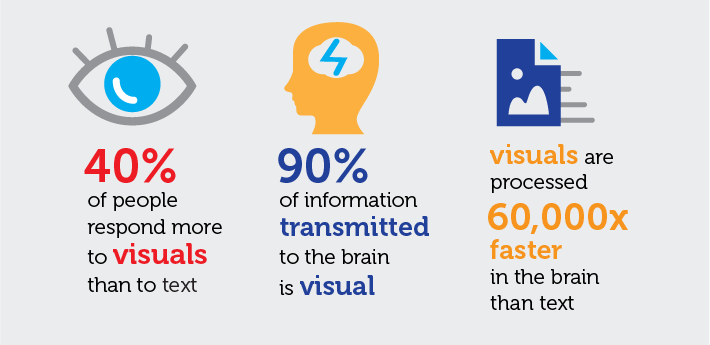
Humans are currently living in a time where visuals are an incredibly important medium to spread information to others.
What are visuals?
- Everything that can be seen.
This definition is a wide, all-inclusive including nature. Nature is NOT CULTURE unless a meaning and representation is attached onto said nature.
- Everything produced or created by humans that can be seen.
It proposes that which is made by humans for the purpose of visual representation has functions, content, and communicative purposes.

...

...
Design Significance
To understand design significance is to be able to identify the social, cultural & and political sphere where the design elements reside in. It is important to understand the significance of the graphics within the cultural studies, philosophy, sociology, and history of whatever the design should be.

...
Design Sensitivity
1.Symbolism & Imagery
Certain symbols & images may carry different meanings in different cultures, so it is important to be mindful of potential cultural interpretations to avoid unintentional offensive misunderstandings.
2. Color Consideration
Colors can have cultural signigficance and their meanings may vary across different societies. Understanding the cultural associations with colors can help designers make the right choice.
3. Typography & Language
Choosing fonts and text styles that are culturally appropriate is important. Considering language variations and ensuring accurate translations is crucial for reaching diverse audiences.
4. Inclusive Design
Designers should strive to create products and experiences that are accessible and inclusive for people from various cultural backgrounds, including those with different abilities and needs.
5. User Research
Conducting thorough user research helps designers gain insights into cultural preferences and behaviors.
6. Localization
Adapting designs to specific cultural contexts through localization can enhance the relevance and acceptance of a product or service.
7. Cultural Awareness Training
Develop a deeper understanding of diverse perspectives and sensitivities.
Lecture 2 - Culture, Design, & Research
Designers have to be more vigilant with their artworks and this takes more than just skills, intuition, and creativity. With Research, it is possible to be able to gather more data and process them into crucial information that can kickstart your workflow. The information gathered can be used to help visualize projects and to convey messages properly.
During the process of researching, you will need two kinds of findings:
- Secondary Findings:
Data collected through published & existing resources.
- Examples - Wikipedia/Websites/ Youtube Documentaries/ Design sources
- Primary Findings:
Sketches of proposed artworks based on your research from Secondary findings and collected by you and team.
- Examples - Sketches/ Storyboards/ Wireframe/ Interviews/ Surveys/ On-sit observation
Lecture 3
No Lecture.
INSTRUCTIONS
PROJECT 1 - EXPLORATION
1. Self Exploration
....
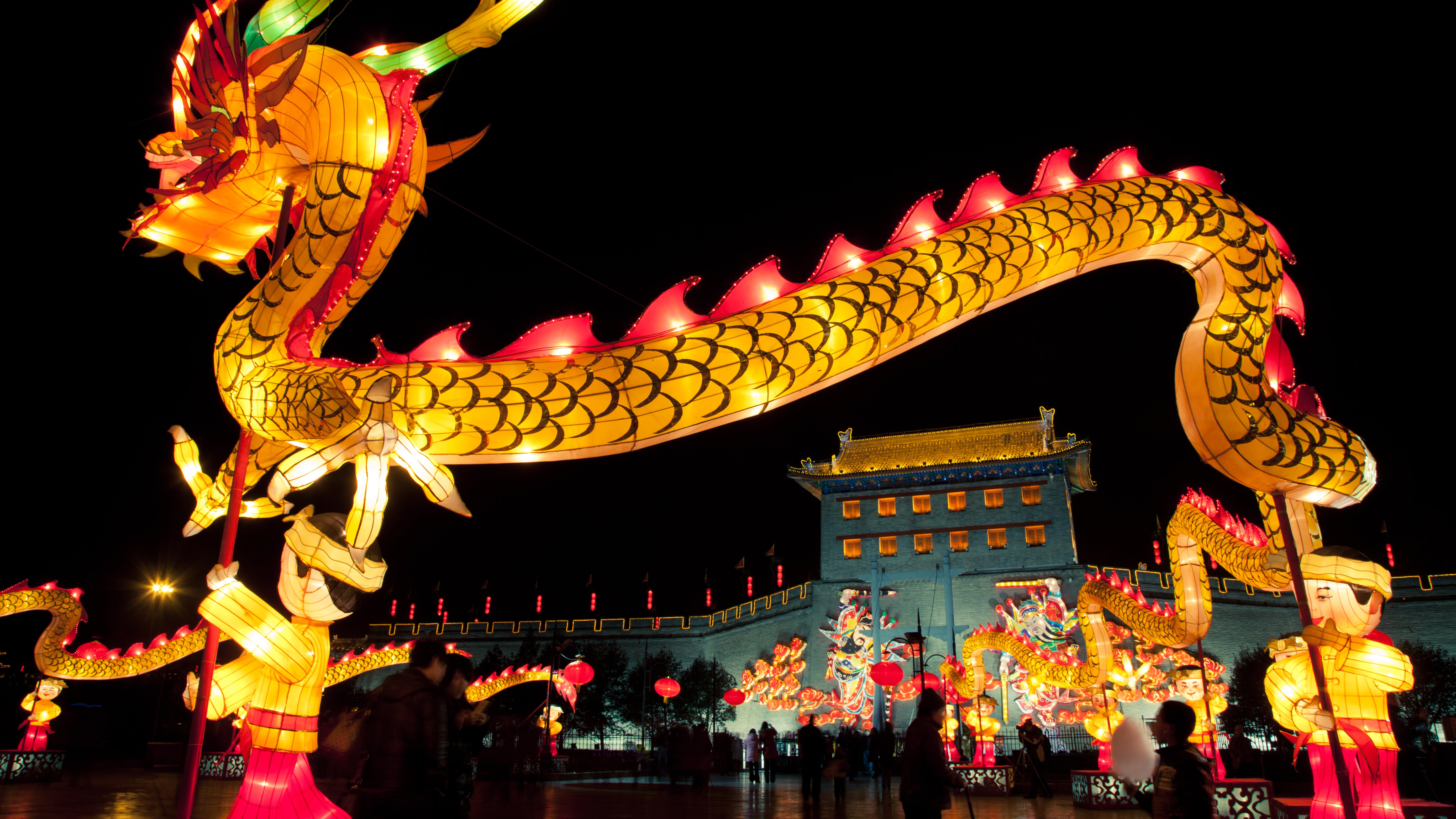
The first thing I did once I heard about the task was to look more into what exactly was Culture Sensitivity was since I did not quite understand it when it was first explained by the lecturers alongside the information of what we were supposed to do. After some clarifications by the lecturer, I decided to look into cultures I was familiar with and locked on to Chinese culture due to Chinese New Year happening at the same time this project was given. It was the year of the Dragon and dragon dances were always part of every Chinese New Year so I thought it would be good to look into what dragons meant for the Chinese. I did not manage to get too far with this however, since this was just a simple idea that didn't have any true weight to it.
2. Grouping
The lecturers divided us into four categories of students with each category having its own color.
Purple represented students going to Japan for this semester.
Green represented those in the 1st and 1.5 semester.
White represented those who do not belong in Creative Media Design.
Yellow represents those in their second semester.
I chose Green since this was my first semester in Creative Media. Everyone had to form a group with different colored stickers where only 3 of the same color can be part of the same group. I formed a group with the people who happened to be sitting next to me in that lecture and a few others who approached us. My groupmates were people from other countries such as Egypt, Bangladesh, Myanmar, with another being a local of Malaysia like I am. My first impression of my groupmates were very positive and I couldn't wait to work with them.
3. Researching on Different Cultures


All of us went on to research about different cultures to finalise what we want to do for this project. Me and my groupmates had different ideas for the project, and I originally wanted to stick to Chinese New Year as I intended. However, after some reasoning with another groupmate, that others would possibly pick it due to how common it was here, I decided to research about Calaveras from the Day of The Dead. We decided to put our suggestions into a Canva and meet up to discuss them.
4. Final Selection of the Culture
 Figure 1.5 | Canva Slides for Research
Information Gathered
...
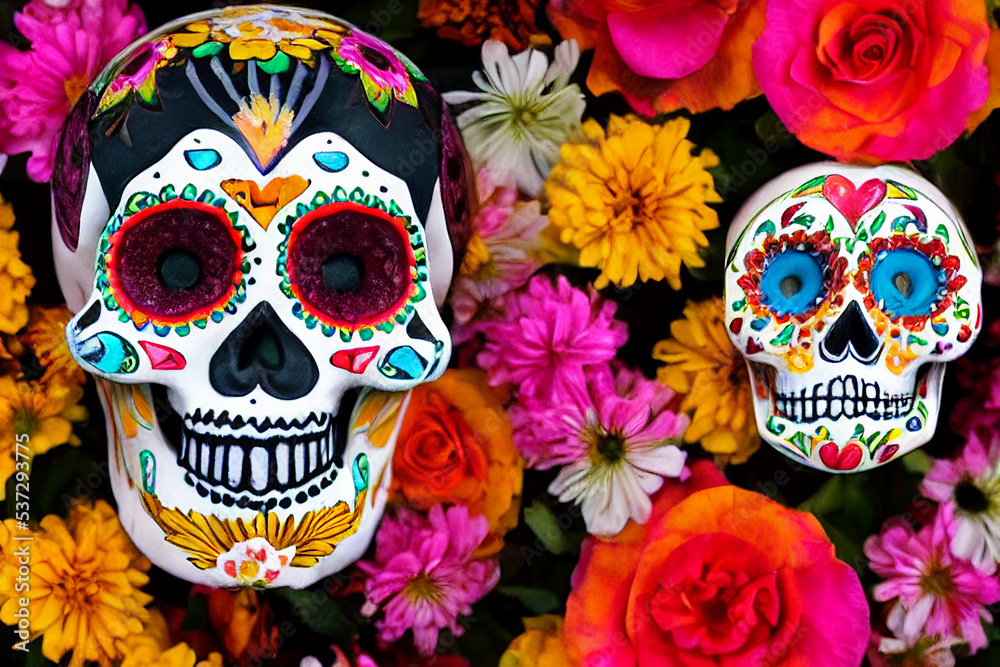
When me and my groupmates met up, we discussed on the topics we have chosen for this project. In the end, we decided to take up the culture that I have offered, which was the Mexican Culture of Day of the Dead.
...
Everyone in the group thought that the unique and bright colors of the Calaveras in Day of the Dead were beautiful and very different compared to the other cultures we have researched. We thought the rest were pretty boring compared to this and wanted to do something different, so we thought that this would be the best option out of all of them. The culture of Mexico was very interesting to research on and my other groupmates already started thinking ahead on project 2. We split tasks among each other: 3 of us would design the sketches of potential final project, 3 of us would research and present the slides. I went for designing the sketch since I already had a vague idea of what I would like to do for the designs.
5. Working on the Design
....
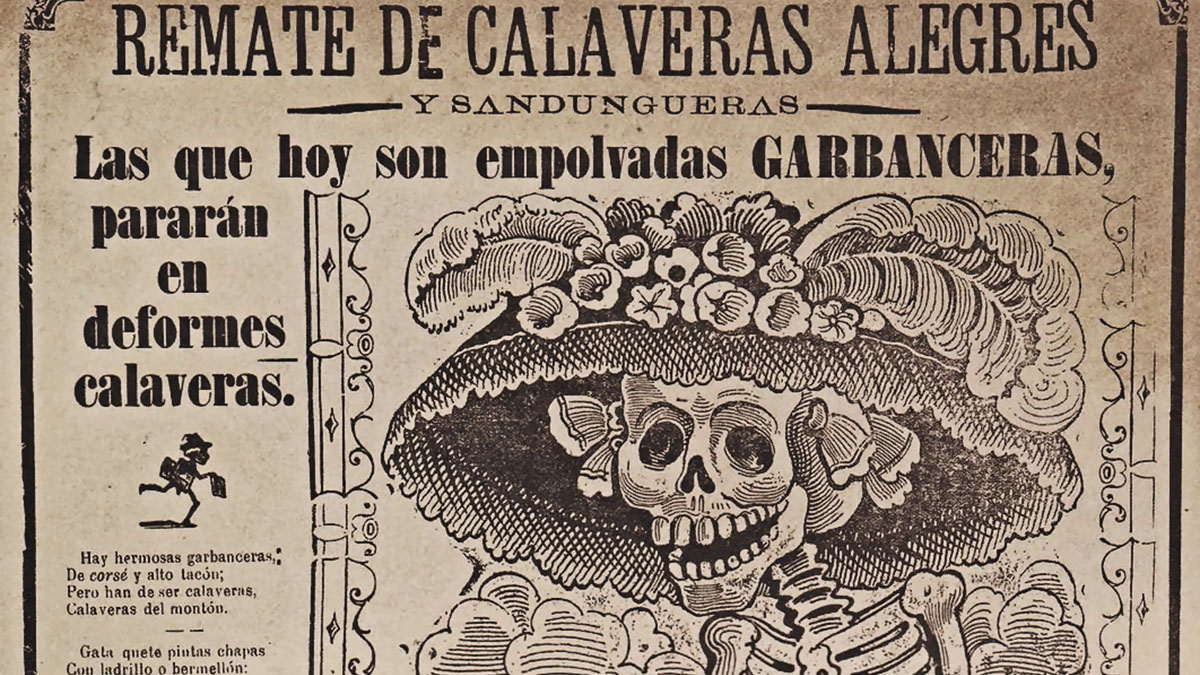
All of us were given our own tasks to do and we were split between two categories, the designers and researchers. The designers have to come with sketches and justify the design choices we have made on them, while the researchers would be focused on making the slides and researching more on the Day of the Dead for culture sensitivity. My task was to design a sketch and explain why I chose to design it that way/the medium that would be used. I was also researching about what the design elements on calaveras meant to the people of Mexico and sharing it with the other designers and researchers in order to make their process easier.


I did some research one what the meanings of the colors and patterns on calaveras, flowers, and other notable symbols of Day of the Dead meant. I wanted to understand what made them choose certain colors and why certain flowers are so important, as well as what the candles symbolize and what exactly is La Catrina. With the research me and my groupmates did together, I gained a much better understanding of the Day of the Dead and what is symbolizes with them. I wanted to create a design which holds all that symbolizes Day of the Dead alongside the icon of that holiday, La Catrina.

Figure 1.9 | Groupmate's notes
....
A groupmate and fellow sketch artist provided me and everyone else detailed notes and guidelines that he made on how we should approach the culture that we are studying in order to help us with what to research and do for our parts. It was all very easy to understand and helped me better understand what we were looking int, and he himself helped me figure out what I should do with the initial sketch I made and improve on it. He worked really hard to understand the culture and I'm grateful he shared his notes with us.
Not too long after, I managed to finalize my sketch and explain on the details of why I chose to design it the way I did.

....
6. FINAL PROJECT 1

....
....

....
Figure 1.3 | Sketches & Rationale (PDF)
...
FEEDBACK
Week 1
General Feedback
- Do your research first
- Relate it back to the pyramid
- Sketch your idea first, find out what you want to do with selected culture
Week 2
General Feedback
- Identify what kind of information is needed to gather to relate to your secondary finding
- What observation can be done
- Observation can be identified with simpler terms, look at the bigger picture
- Find out what materials can be used to execute the project
- Create an awareness in Project 1
- 200 words, depending on your rational
WEEK 3
General Feedback
- No class next week
- You will be having a supervisor during the data collection
- Dateline for Task 1 is Sunday 5pm
- Show face for video presentation
- Purpose is to gage understanding
REFLECTION
Being new in this programme, I was worried that I wouldn't be able to do too much and was confused on this assignment as a whole. I was very relieved to be able to pair up with 5 people who were really kind and understanding to me and each other. It was hard to understand what the lecturers wanted from our project, but after discussing it more with my groupmates, we ended up being able to resolve the issue and get an understanding of what we should do for this project.
For my issues and problems within this project, I found it hard to communicate with my groupmates too much due my lack of social experience and to see what I could do for my group with what I could. I realised that my method of researching was very flawed compared to my other groupmate who shared notes in order to help us understand the Day of the Dead better, and I will continue to try to research in more depth for my future projects.
Learning about the Day of the Dead outside of just movies and shows and actually looking into their reasons and culture as to why they choose to celebrate was very captivating and interesting. The more I read about it, the more I am in awe about it. Death is often a saddening subject that people tie to negative meanings, but for the Mexicans, they celebrate the Day of the Dead in order to honor them from when they were alive. I find it all beautiful, especially how important family is to them. As I researched more about it, the more I came to love and adore the culture and act of not only respecting the dead, but also celebrating them coming back to visit and treating it with such joy.
FURTHER READING
Language of Flowers
Flowers have always been used as a way to describe one's feelings or to represent something such as death, love, joy, and more. You could say that flowers as a whole are a whole language by themselves. It even came to be known as something known as Floriography; the art of communicating through different flower types.
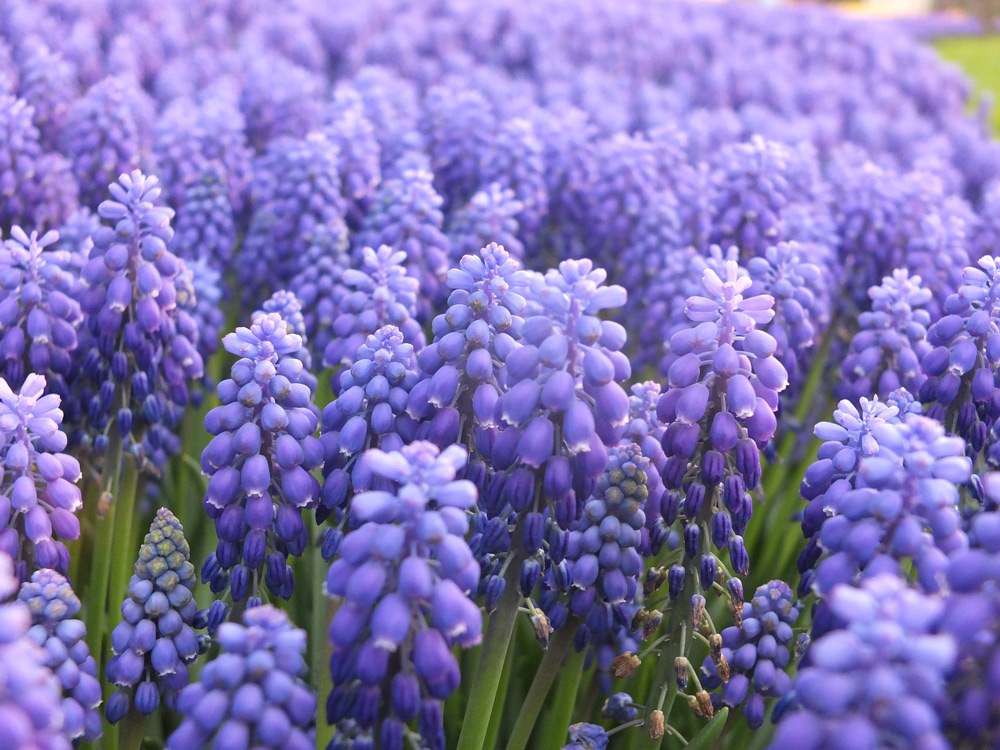
Floriography has been used in various cultures all over the world for thousands of years. The flowers could have their symbolism derived from ancient myths or legends with the meaning of the flowers still being associated with them. For example, the Hyacinth was the name of a man that the god Apollo once loved. After getting killed by a disc to the head, Apollo made him into a flower in order to preserve his beauty. Hyacinth is now a flower that is connected to Apollo, and is a symbol of peace, commitment and beauty, but also of power and pride.
REFERENCES
- Bloom & Wild. (n.d.). Floriography: Flower Meanings & Language of Flowers.
https://www.bloomandwild.com/the-blog/floriography-language-of-flowers-meaning


Comments
Post a Comment